.jpg)
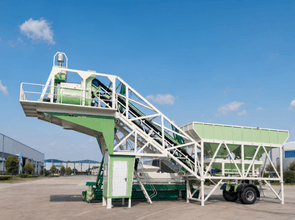
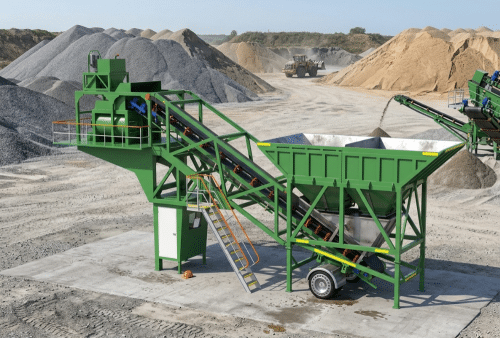 25 m³/h
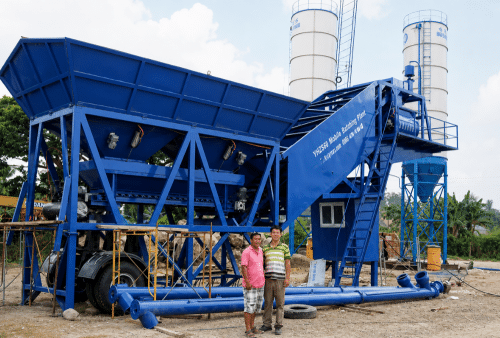
YHZS25
Compact starting point for smaller civil works, temporary sites and lower daily demand.
- MixerJS500
- Project fitCompact

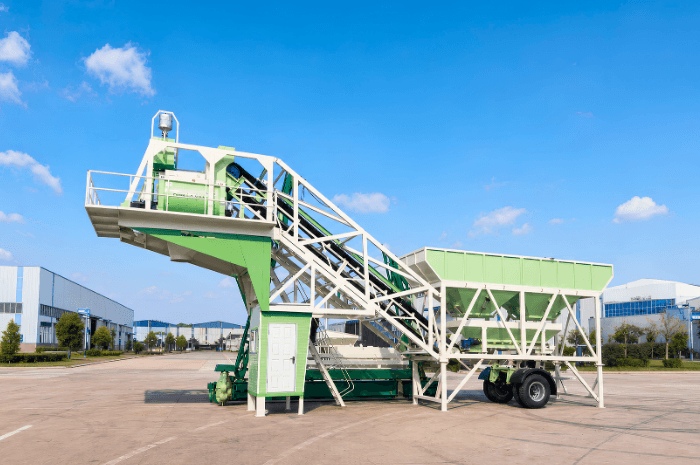
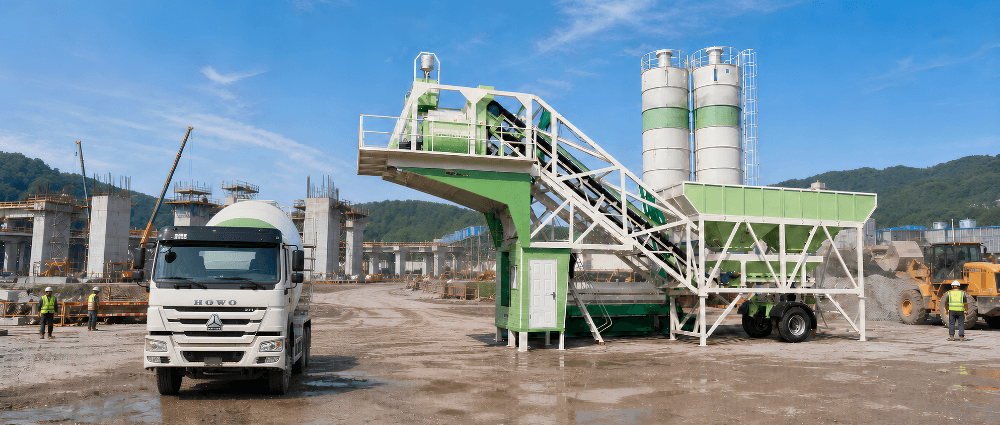
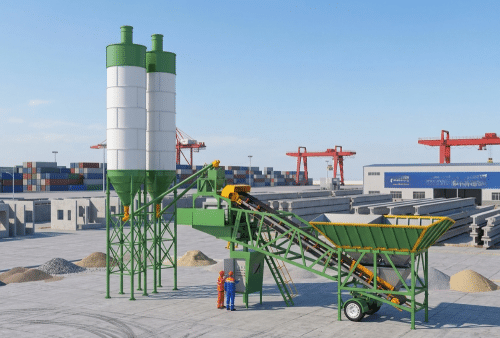
Compare the main SIMAMIX mobile models in one place. Start with theoretical capacity, then confirm the mixer, aggregate system, power, transport arrangement and service scope against your actual project.
25 m³/hCompact starting point for smaller civil works, temporary sites and lower daily demand.
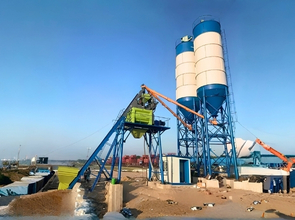
 35 m³/h
Flexible mobile production for local roads, building work and short-to-medium projects.
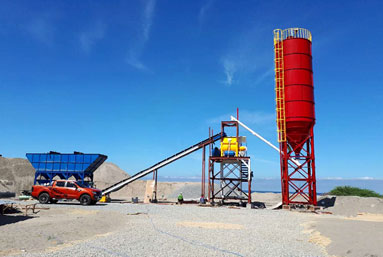
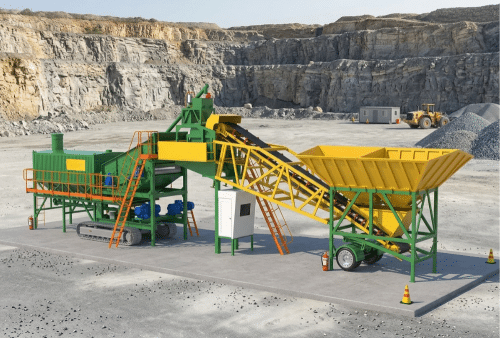 50 m³/h
Balanced output and mobility for road, building and regional construction projects.
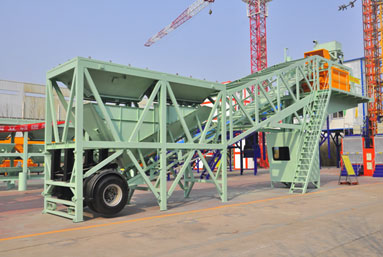
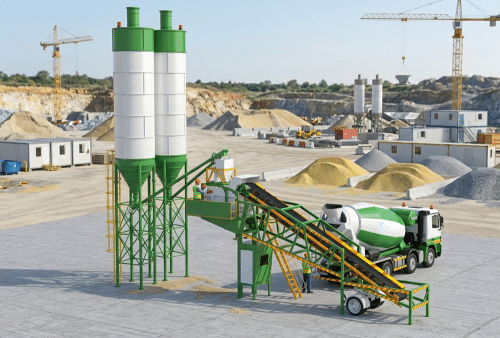 60 m³/h
Higher mobile output for medium infrastructure and projects with sustained demand.
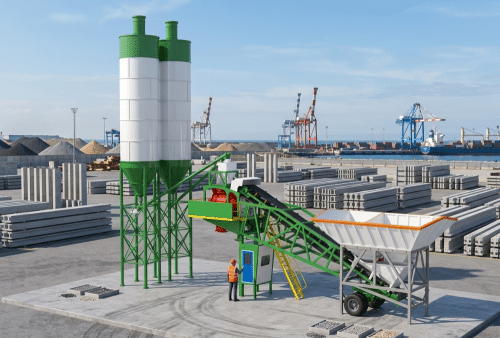 75 m³/h
High-capacity mobile option for larger projects requiring continuous on-site supply.
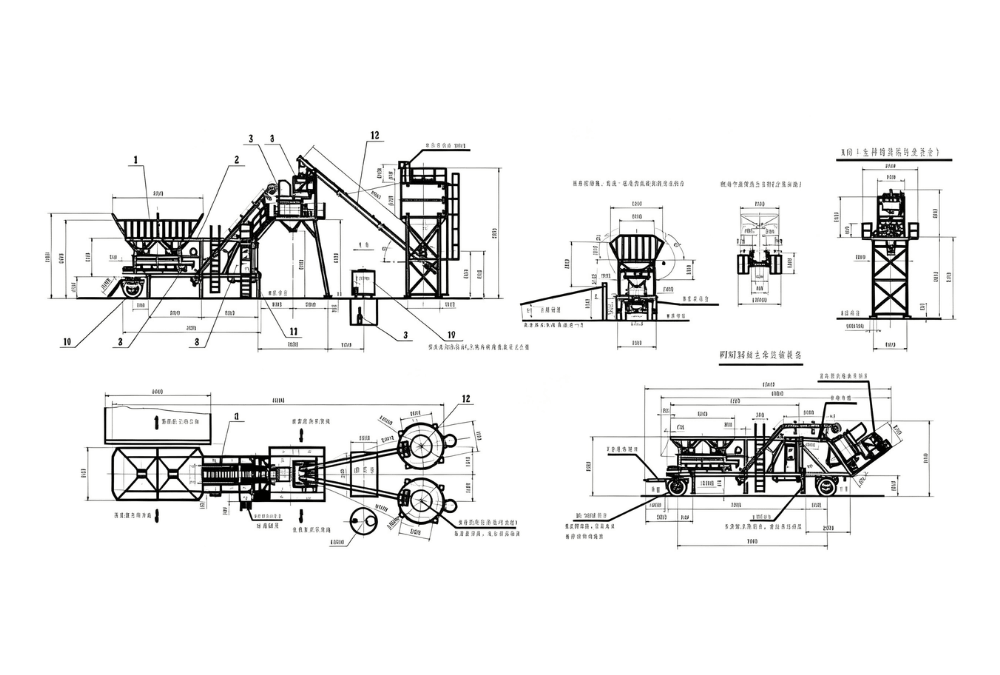
Use this table for initial qualification. Final parameters and supply scope should be confirmed in the signed technical proposal.
| Decision Factor | YHZS25 | YHZS35 | YHZS50 | YHZS60 | YHZS75 |
|---|---|---|---|---|---|
| Theoretical Capacity | 25 m³/h | 35 m³/h | 50 m³/h | 60 m³/h | 75 m³/h |
| Mixer Model | JS500 | JS750 | JS1000 | Confirm in proposal | JS1500 |
| Typical Use | Compact work | Local projects | Balanced projects | Medium infrastructure | Larger projects |
| Buyer Should Confirm | Footprint | Relocation plan | Daily volume | Final configuration | Logistics & power |
Reference values only. Actual output depends on concrete mix, aggregate conditions, material supply, operating cycle and selected equipment.
Mobile production is most valuable when concrete supply, work-front location and project timing matter as much as nominal capacity.
A credible proposal identifies the major systems, optional equipment and responsibilities—not only a model number.
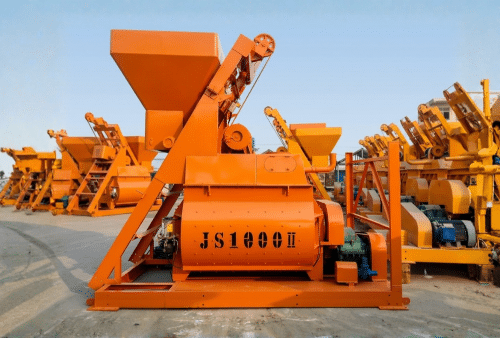
Select the mixer according to target output, concrete mix and required operating cycle.
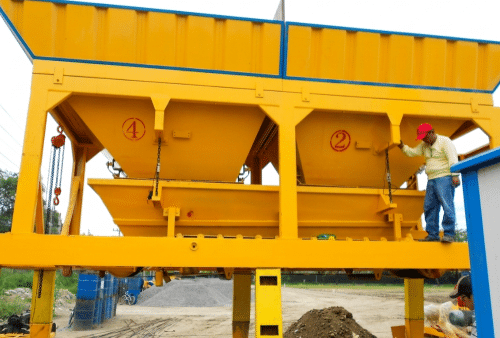
Confirm bin quantity, volume, aggregate size, weighing arrangement and loading method.
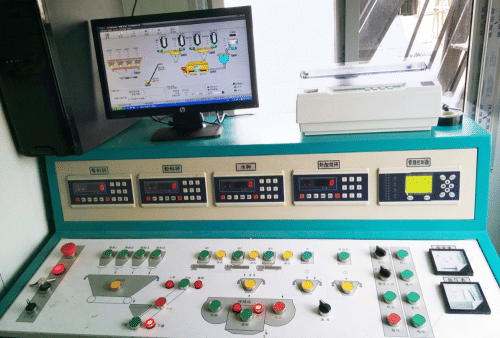
Specify voltage, language, automation level, reporting needs and destination standard.
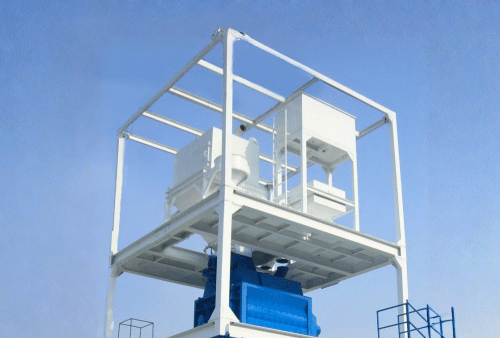
Confirm the weighing arrangement for aggregates, cement, water and admixtures, including accuracy requirements, calibration and maintenance access.
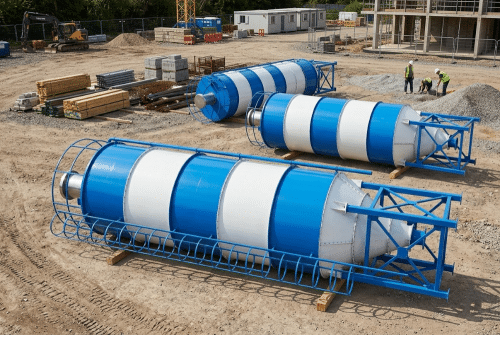
Match silo capacity and screw conveyors to local cement supply and project duration.
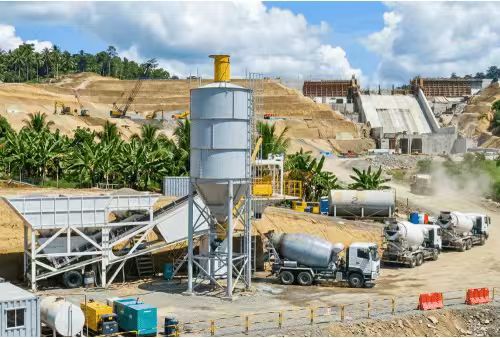
Review transport, road access, unloading, working area, utilities and relocation plan.
Before production and shipment, confirm the complete equipment scope, transport conditions, site preparation and installation responsibilities.
Request documents that correspond to the exact equipment configuration and agreed commercial terms.
International equipment buyers should be able to understand the manufacturer, order-control process and project-support scope before placing an order.
Before dispatch, buyers should be able to confirm that the equipment matches the agreed technical proposal.
Order-related evidence makes the purchase process more transparent and reduces delivery uncertainty.
Real product images support buyer confidence. Add verified country, model, year and project type whenever disclosure is permitted.
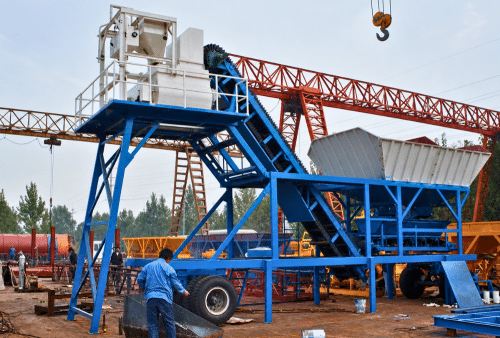
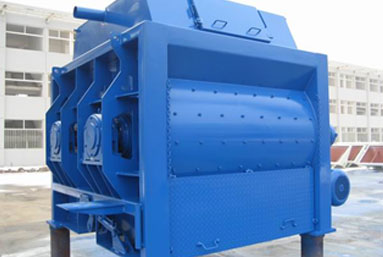
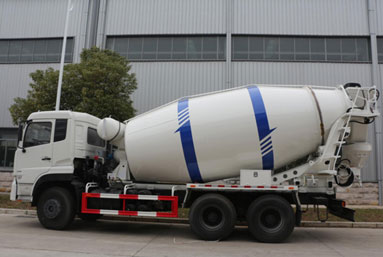
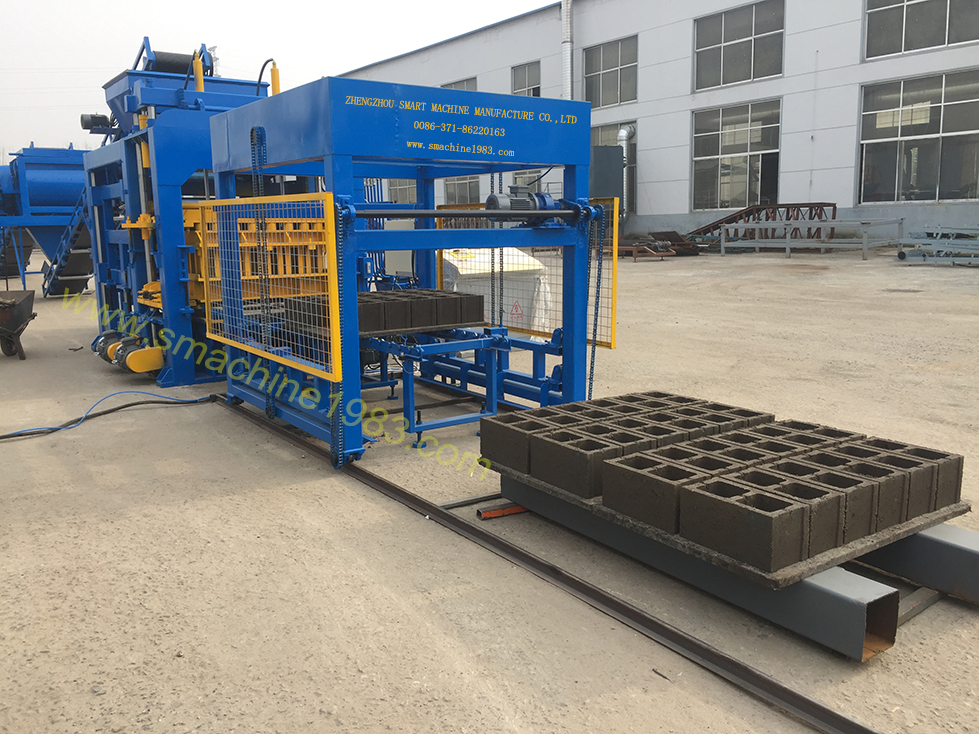
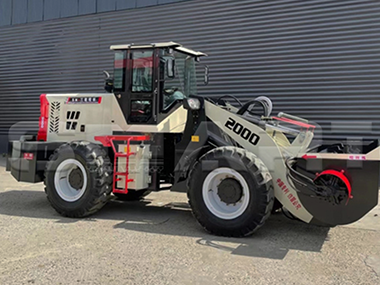
Useful for discussing space, loading method and lower-output project deployment.
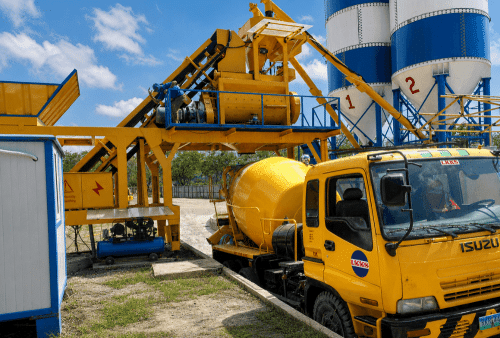
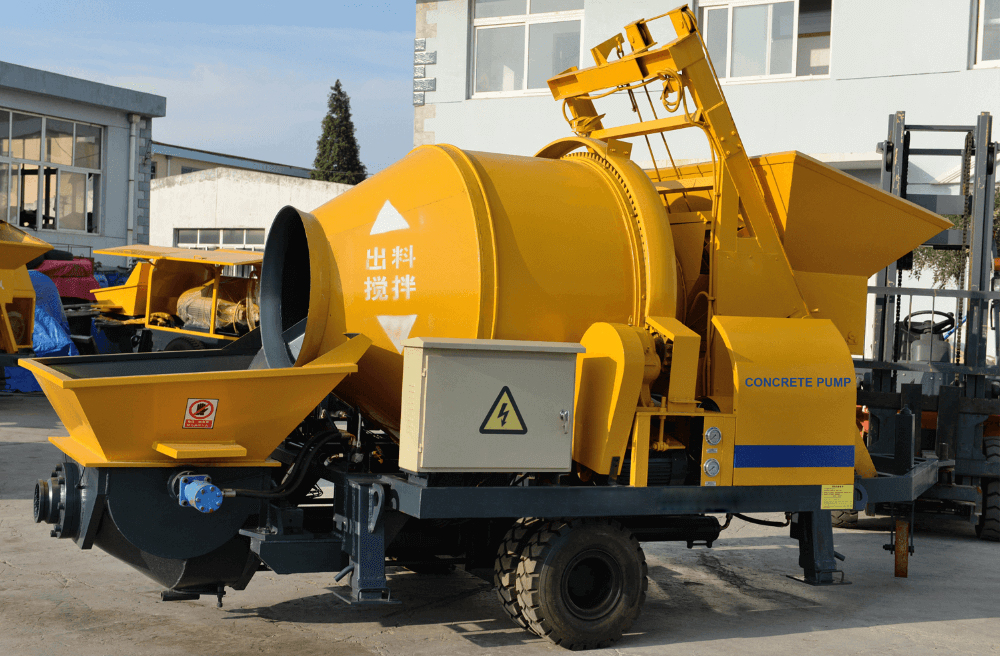
Useful for discussing material flow, working position and regional project requirements.
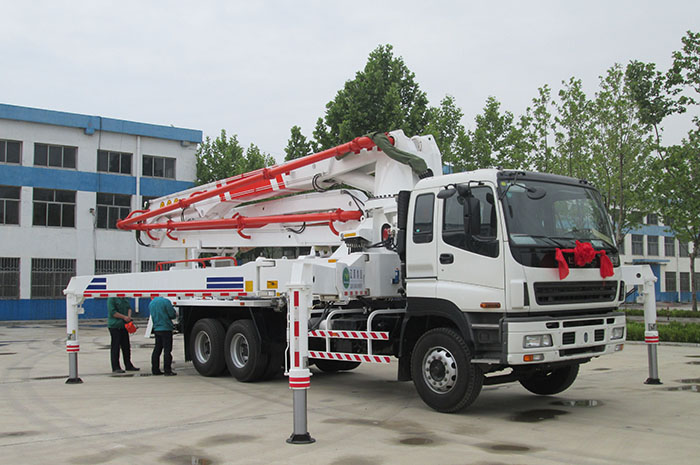
Useful for discussing higher mobile output, transport planning and site configuration.

The agreed support scope should be written into the proposal or quotation so both parties understand the responsibilities.
Review capacity, concrete mix, site conditions, power supply, options and project timeline before model selection.
Confirm production progress, inspection arrangement, packing, shipment coordination and final equipment scope.
Agree installation guidance, commissioning, operator training, maintenance and spare-parts support in advance.
Clear answers help buyers qualify the project and reduce repeated communication.
Start with peak hourly demand and daily concrete volume, then review mix design, aggregate conditions, project duration, site access, power supply and relocation frequency. Final selection should be confirmed by technical review.
Provide country and city, project type, required output, daily demand, concrete grade, aggregate size, voltage, site area, expected start date and installation-support requirements.
No. Actual output depends on feeding, concrete mix, aggregate moisture, operating cycle, material supply, operator practice and selected configuration.
The quotation should identify the selected plant, mixer, batching system, cement silo, screw conveyor, controls, options, spare parts, delivery terms, exclusions, inspection scope and installation responsibilities.
Agree the inspection scope before ordering. Request configuration confirmation, order-related photos or video, packing information and any permitted third-party inspection arrangement.
The support scope should be discussed during technical qualification and written into the proposal based on the selected configuration, destination and site conditions.
Send your country, required output, project type, voltage and expected start date. We will discuss a relevant YHZS configuration and quotation scope.